


"The Rongai Route offers a unique wilderness experience approaching Kilimanjaro from the northern side near the Kenyan border, providing drier conditions, incredible wildlife viewing opportunities, and a true sense of remote adventure on Africa's highest peak."
The Rongai Route stands as Kilimanjaro's only northern approach, beginning near the Kenyan border and offering a more remote, wilderness experience compared to the busier southern routes. This path traverses through pristine rainforest, crosses the dramatic saddle between Kibo and Mawenzi peaks, and provides excellent acclimatization opportunities with its gradual ascent profile. Known for its drier conditions and spectacular views of both Kenya and Tanzania, the Rongai Route is perfect for trekkers seeking solitude and a genuine wilderness experience while climbing Kilimanjaro.
Rongai Route Overview
The Rongai Route approaches Kilimanjaro from the north, starting near the Kenyan border and joining the Marangu Route at Kibo Hut for the summit ascent. This unique approach means climbers experience completely different landscapes and ecosystems compared to the southern routes, with drier conditions and excellent opportunities to spot wildlife including monkeys, antelope, and occasionally elephants in the lower forest sections.
Rongai is Kilimanjaro's only route that begins from the northern side of the mountain, offering a unique wilderness experience with drier conditions and fewer climbers. This remote approach provides a true sense of adventure and excellent opportunities for wildlife spotting in the early stages of the climb.
Key Route Characteristics:
- Duration Options: 6 or 7 days (7 days strongly recommended for better acclimatization)
- Accommodation: Camping throughout with tent accommodation
- Success Rate: Approximately 80-85% for 6-day itinerary, 85-90% for 7-day itinerary
- Traffic Level: Low to moderate - one of Kilimanjaro's less crowded routes
- Scenery Variety: Excellent - diverse landscapes and unique northern perspectives
- Acclimatization Profile: Good - gradual ascent with excellent acclimatization opportunities
Route Highlights and Unique Features
The Rongai Route offers several distinctive features that make it a favorite among experienced trekkers and wilderness enthusiasts.

The Rongai Route follows a gradual ascent from the north with excellent acclimatization opportunities
Northern Wilderness Experience
The remote northern approach provides unique advantages:
Wildlife Encounters: Excellent chances to spot colobus monkeys, antelope, and other forest wildlife
Drier Conditions: The northern side receives less rainfall than southern routes
Solitude: Fewer climbers and a true wilderness feeling throughout the journey
Spectacular Scenery and Views
Unique perspectives of Kilimanjaro and surrounding landscapes:
Mawenzi Views: Close-up views of Kilimanjaro's second peak, Mawenzi
Kenyan Vistas: Panoramic views across the Kenyan plains from the northern slopes
Kibo Saddle: Dramatic traverse across the high-altitude saddle between Mawenzi and Kibo
85-90%
Success rate (7-day itinerary)
6-7 Days
Recommended duration
Wilderness
Remote experience
Difficulty Level and Physical Requirements
The Rongai Route is considered moderately difficult with a gradual ascent profile that aids acclimatization, but still presents significant physical challenges.
Technical Difficulty
From a technical perspective, Rongai is manageable for most fit trekkers:
Trail Conditions: Well-defined paths with moderate gradients and no technical sections
Summit Night: Similar to other routes - steep scree slope ascent to Gilman's Point
Descent: Descends via the Marangu Route, which is well-maintained but can be hard on knees
Physical Demands
The physical challenge requires good fitness and preparation:
Summit Day/Night: 12-16 hours of continuous hiking with significant ascent and descent
Altitude: Gradual gain reduces altitude sickness risk compared to faster routes
Endurance: Multiple consecutive days of hiking with camping in remote conditions
Guide Insight: The Rongai Route's gradual ascent profile makes it excellent for acclimatization, but don't underestimate the physical demands. The remote nature means you need to be self-sufficient and comfortable with camping. The drier conditions on the northern side are a major advantage, but proper cold-weather gear is still essential for summit night.
Best Time to Climb the Rongai Route
The Rongai Route's northern location makes it climbable year-round, with the dry seasons offering optimal conditions for summit success and enjoyment.
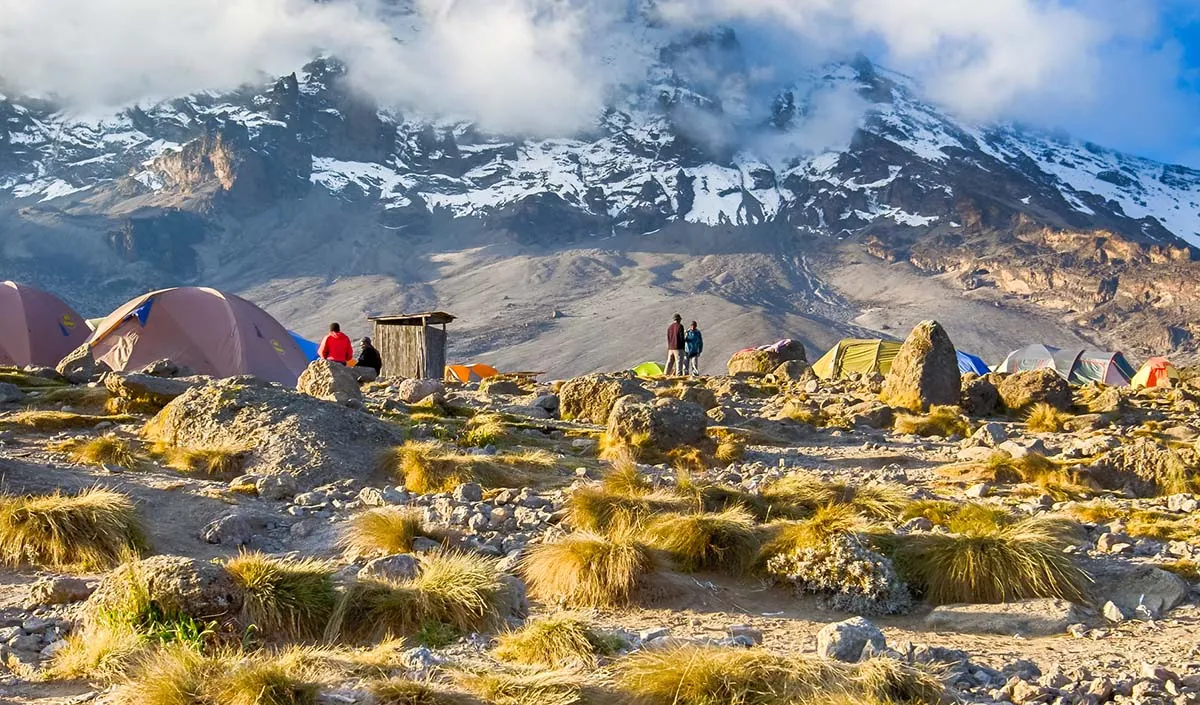
The Rongai Route's northern position provides drier conditions than southern routes
Optimal Climbing Seasons
The two dry seasons provide the best climbing conditions:
June to October (Long Dry Season): Excellent conditions with clear skies, minimal precipitation, and comfortable temperatures. This is the most popular time with the highest success rates.
December to March (Short Dry Season): Warmer temperatures with generally good conditions. The northern location means even better dry conditions than southern routes during this period.
Shoulder Seasons
Transition periods with more variable conditions:
January-February: Warm and dry with excellent visibility and good climbing conditions
November: "Short rains" period but the northern location often remains drier than southern routes
Rainy Seasons
More challenging but still possible with proper preparation:
March to May (Long Rains): Heavier rainfall but the northern location typically experiences less rain than southern routes. Still requires comprehensive wet weather gear.
Considerations: The camping accommodation means you need high-quality waterproof gear during rainy periods.
90%
Dry season success rate
70%
Rainy season success rate
Drier
Northern conditions
Accommodation on the Rongai Route
The Rongai Route features camping accommodation throughout, providing a true wilderness experience under the African skies.
Camping Experience Overview
Full-service camping with professional support:
Sleeping Arrangements: High-quality mountain tents typically for 2 people
Dining Facilities: Spacious dining tent with tables and chairs for meals
Water Sources: Treated water provided by the crew throughout the climb
Bathroom Facilities: Portable toilet tents provided at each campsite
Campsite Details
Each camp offers unique locations and experiences:
First Cave Camp (2,600m): Forest campsite with basic facilities
Kikelewa Camp (3,600m): Moorland location with stunning views of Mawenzi peak
Mawenzi Tarn Camp (4,330m): Spectacular high-altitude camp beneath Mawenzi's cliffs
Kibo Hut (4,703m): Base camp for summit attempt, shared with Marangu Route climbers
What to Expect
Realistic expectations for the camping experience:
Comfort Level: Well-organized with comfortable sleeping and dining arrangements
Temperature: Cold nights requiring high-quality sleeping bags and insulation
Privacy: Good privacy in personal tents with communal dining areas
Atmosphere: Wilderness camping experience with small group camaraderie
The camping experience on Rongai Route is fully supported with comfortable tents, dining facilities, and toilet tents. Our crew handles all camp setup, cooking, and water purification, allowing you to focus on the climb. The remote campsites, particularly Mawenzi Tarn, offer some of the most spectacular wilderness camping experiences on Kilimanjaro with incredible star-gazing opportunities.
Choose Your Rongai Route Adventure
Select from our range of expertly guided Rongai Route trekking packages
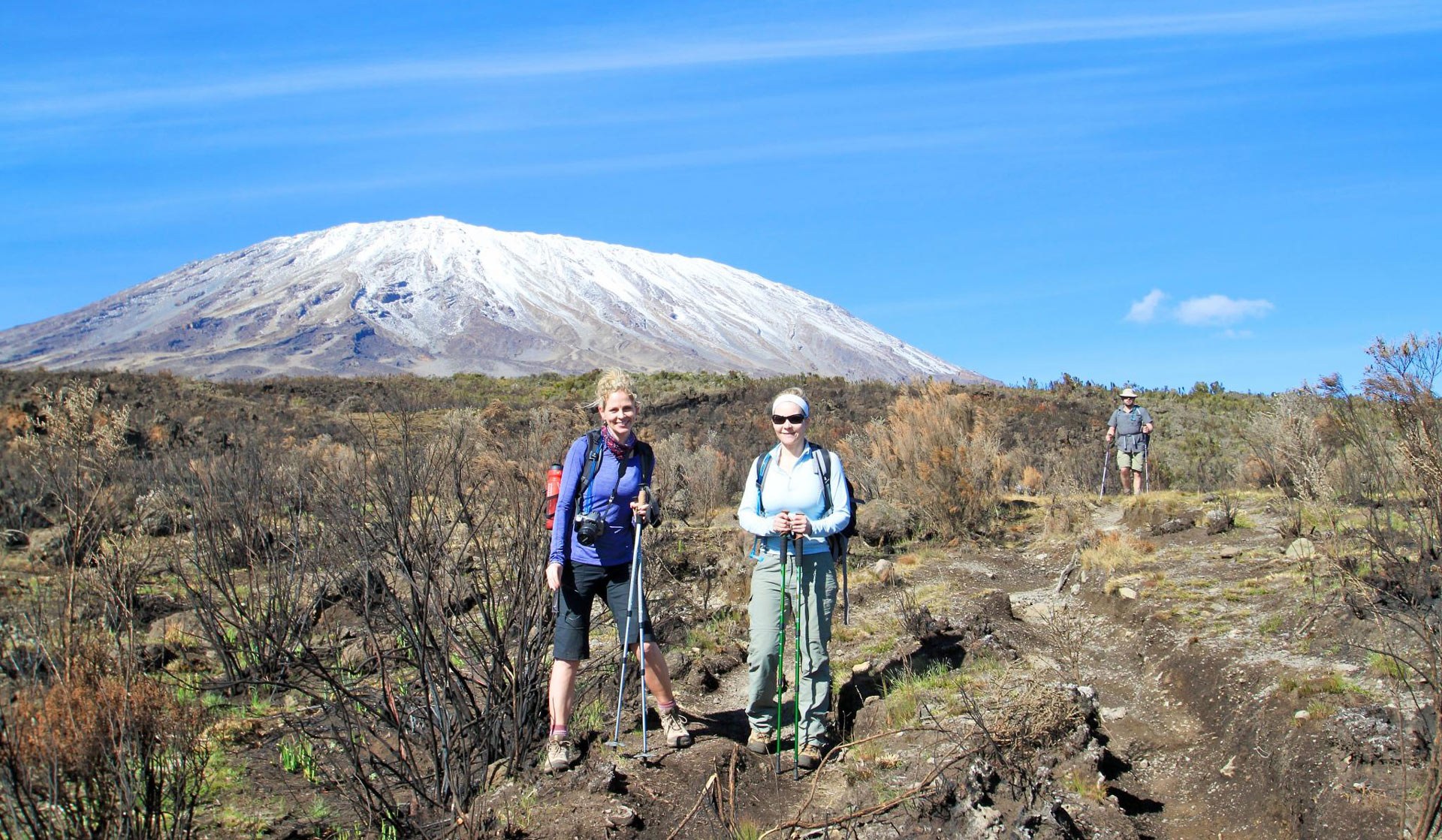
7-Day Rongai Route
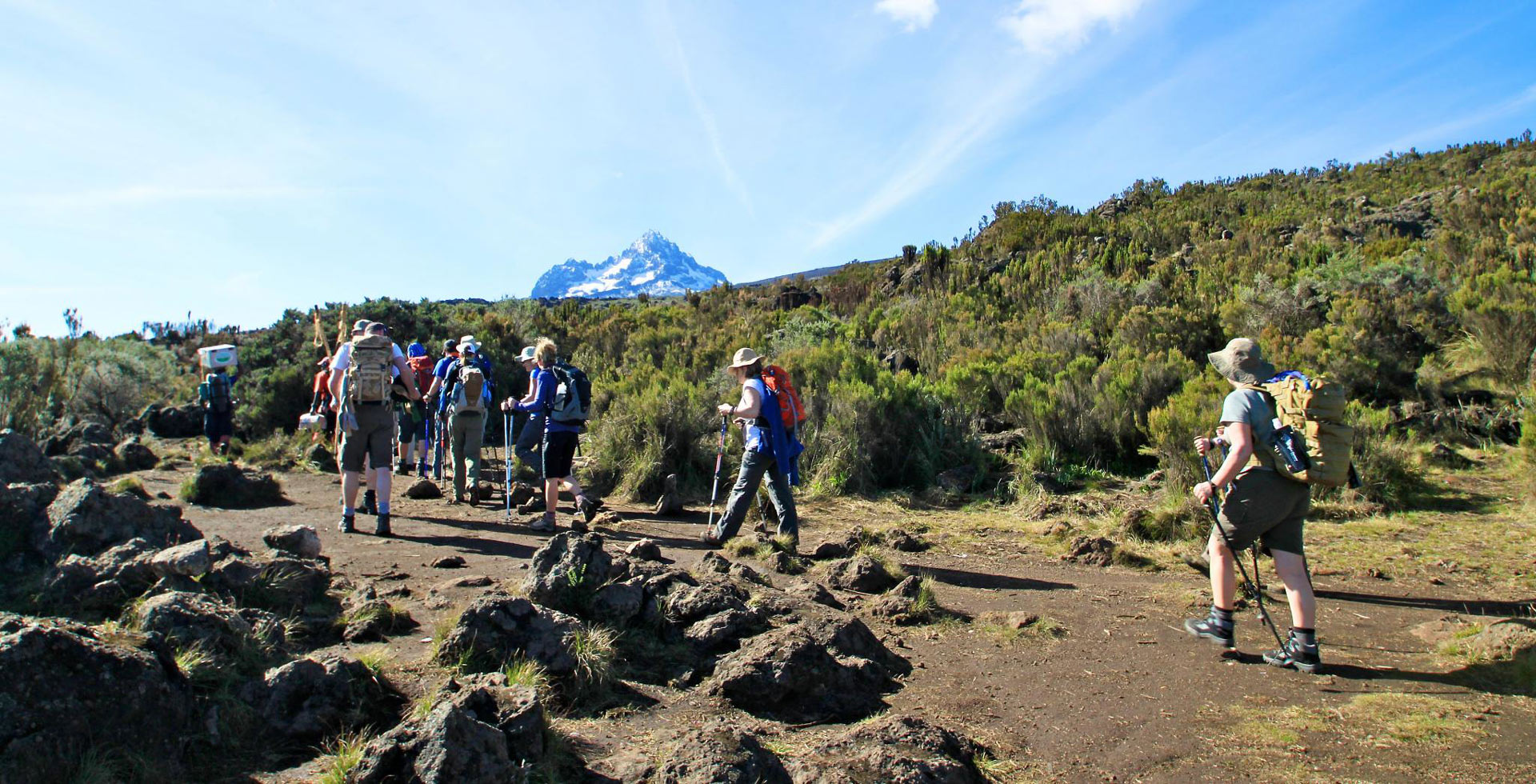
6-Day Rongai Route
Frequently Asked Questions About Rongai Route
Find answers to common questions about climbing Kilimanjaro via the Rongai Route.
Is the Rongai Route really drier than other Kilimanjaro routes?
+Yes, the Rongai Route's northern location typically experiences less rainfall than the southern routes. The mountain creates a rain shadow effect, with the southern slopes receiving moisture from the Indian Ocean while the northern side remains comparatively drier. This makes Rongai an excellent choice during transitional seasons and for climbers concerned about wet conditions.
What wildlife might I see on the Rongai Route?
+The Rongai Route offers excellent wildlife viewing opportunities, particularly in the forest sections. It's common to see black and white colobus monkeys, blue monkeys, various antelope species, and occasionally elephants near the lower elevations. The northern approach passes through less disturbed wilderness areas, increasing your chances of wildlife encounters compared to busier southern routes.
How does the camping experience work on Rongai Route?
+The Rongai Route features full-service camping with our crew handling all logistics. You'll sleep in quality mountain tents (typically 2-person), eat meals in a spacious dining tent with proper tables and chairs, and have access to private toilet tents at each campsite. Our team sets up and breaks down camp each day, purifies water, and prepares all meals, allowing you to focus entirely on the climb.
Why does Rongai have a higher success rate than some other routes?
+The Rongai Route's success rate (85-90% for 7-day itinerary) benefits from several factors: the gradual ascent profile provides excellent acclimatization, the drier conditions mean fewer weather-related issues, and the route tends to attract more experienced trekkers who are better prepared. The wilderness experience also typically results in smaller, more focused groups with personalized guide attention.
Is the Rongai Route suitable for first-time trekkers?
+While the Rongai Route is excellent for first-time Kilimanjaro climbers with good fitness, it does require comfort with camping and wilderness experiences. The remote nature means you should be prepared for basic facilities and self-sufficiency. First-timers with camping experience and good physical conditioning will find Rongai rewarding, while those preferring more comfort might consider the Marangu Route with hut accommodation.
What makes the Mawenzi Tarn camp special?
+Mawenzi Tarn Camp (4,330m) is one of Kilimanjaro's most spectacular high-altitude campsites. Nestled beneath the dramatic cliffs of Mawenzi Peak next to an alpine tarn (lake), this camp offers breathtaking scenery and excellent acclimatization opportunities. The 7-day Rongai itinerary includes a full day here for acclimatization hikes, significantly improving your summit chances while enjoying one of the mountain's most beautiful locations.
Ready to Experience the Wilderness Rongai Route?
Our Kilimanjaro experts can help you choose between our 6-day and 7-day Rongai itineraries based on your fitness level, wilderness experience, and summit goals. Contact us to start planning your remote Kilimanjaro adventure.


