


"Climbing Kilimanjaro is less about athletic prowess and more about preparation, pacing, and perseverance. The mountain doesn't care how fast you are, only that you keep moving forward."
Mount Kilimanjaro stands at 5,895 meters (19,341 feet) above sea level, making it Africa's highest peak and the world's tallest free-standing mountain. While technical climbing skills aren't required, the altitude, distance, and sustained effort demand significant physical preparation. A proper training regimen dramatically increases your summit success rate while making the experience more enjoyable.
Understanding the Physical Demands of Kilimanjaro
Successfully climbing Kilimanjaro requires a unique combination of cardiovascular endurance, muscular strength, and mental fortitude. The trek involves 5-7 days of hiking 4-7 hours daily, with summit night pushing 12-16 hours of continuous hiking in extreme conditions.
Research shows that climbers who follow a structured training program for at least 3-4 months before their climb have a 90% summit success rate compared to 60% for those who don't train specifically.
The primary physical challenges include:
- Sustained uphill hiking with a daypack
- High altitude with reduced oxygen levels
- Variable terrain including rocks, scree, and steep sections
- Extreme temperature variations from tropical to arctic conditions
- Multiple consecutive days of physical exertion
Building Your Cardiovascular Foundation
Cardiovascular fitness is arguably the most important component of Kilimanjaro preparation. The goal is to develop an efficient oxygen utilization system that will serve you well at altitude.
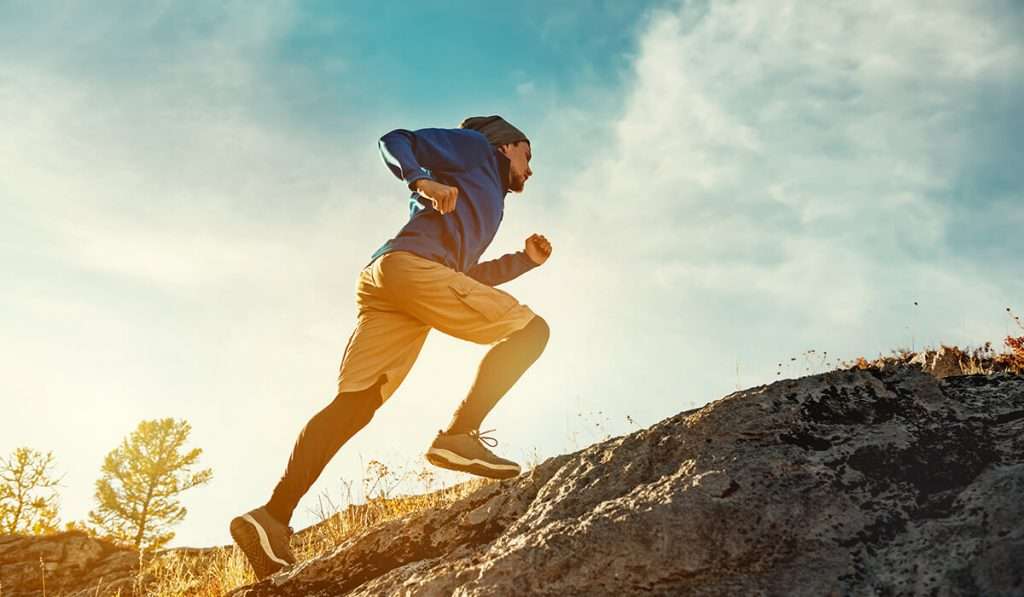
Consistent cardiovascular training builds the endurance needed for Kilimanjaro's long hiking days
Recommended Cardiovascular Activities
Focus on low-impact, sustained endurance activities that mimic the demands of mountain hiking:
Hiking: The most specific training you can do. Start with shorter hikes (2-3 hours) with minimal elevation gain and gradually increase to longer hikes (6-8 hours) with significant elevation (1,000+ meters). Wear your hiking boots and carry a loaded pack during training hikes.
Stair Climbing: Excellent for building climbing-specific leg strength and cardiovascular endurance. Find a tall building, stadium stairs, or use a stair-climbing machine at the gym. Aim for 30-60 minute sessions, focusing on sustained effort rather than speed.
Running/Cycling: These activities build general cardiovascular fitness but should complement rather than replace hiking-specific training. Interval training can be particularly beneficial for developing both endurance and power.
3-4x
Weekly cardio sessions recommended
60-90
Minutes per session duration
70-85%
Target heart rate zone
Developing Mountain-Ready Strength
While cardiovascular fitness takes priority, strength training plays a crucial supporting role in injury prevention and climbing efficiency. Focus on functional strength that directly translates to mountain movement.
Essential Strength Exercises
Incorporate these key movements into your strength training routine 2-3 times per week:
Lower Body Focus: Your legs will be doing most of the work on Kilimanjaro. Squats, lunges, step-ups, and calf raises build the quadriceps, glutes, hamstrings, and calves needed for sustained climbing.
Core Stability: A strong core improves balance on uneven terrain and reduces back strain from carrying a pack. Planks, Russian twists, and bird-dogs should be staples of your routine.
Upper Body Support: While less critical than lower body strength, your shoulders and back help stabilize your pack. Rows, shoulder presses, and pull-ups provide balanced upper body development.
Training Insight: Many climbers overlook downhill training, but eccentric muscle contractions during descent cause significant muscle soreness. Include downhill hiking in your training to prepare your quads for Kilimanjaro's long descents.
Altitude Preparation Strategies
Altitude presents the greatest challenge on Kilimanjaro, as the body must adapt to functioning with approximately 50% less oxygen at the summit compared to sea level.

Understanding altitude adaptation is crucial for Kilimanjaro success
Pre-Acclimatization Options
While nothing fully replicates high altitude at sea level, these strategies can help:
Altitude Simulation: If available, training in an altitude chamber or using altitude simulation masks can provide some physiological adaptation. These tools reduce oxygen intake, forcing your body to produce more red blood cells.
Hypoxic Training: Some fitness centers offer hypoxic workouts where the training environment has reduced oxygen levels. Research shows this can provide modest benefits for altitude adaptation.
Natural Altitude Exposure: If possible, schedule training hikes at higher elevations before your trip. Even modest altitudes of 2,000-3,000 meters can stimulate beneficial physiological changes.
Start Planning Your Adventure Today
Get expert advice and personalized safari itineraries from our local Tanzania specialists
Nutrition and Hydration Strategies
Proper fueling and hydration significantly impact both training effectiveness and climbing performance. The extreme physical demands of Kilimanjaro require strategic nutritional planning.
Training Nutrition
During your training period, focus on:
Carbohydrate Loading: Complex carbohydrates provide the sustained energy needed for long training sessions. Whole grains, fruits, and vegetables should form the foundation of your diet.
Adequate Protein: Support muscle repair and development with lean protein sources. Aim for 1.2-1.6 grams of protein per kilogram of body weight during intense training periods.
Strategic Hydration: Develop a hydration strategy during training that you can implement on the mountain. Practice drinking regularly rather than waiting until you're thirsty.
3-5L
Daily water intake during training
55-65%
Carbohydrates in training diet
1.2-1.6g
Protein per kg body weight
Sample Training Schedule
This 16-week progressive training plan builds the fitness needed for a successful Kilimanjaro climb:
Weeks 1-4: Foundation Building
Establish consistency with 3-4 cardio sessions weekly (30-45 minutes), 2 strength sessions, and one weekend hike (2-3 hours). Focus on proper form and gradual intensity increases.
Weeks 5-8: Endurance Development
Increase cardio sessions to 45-60 minutes, add intensity intervals, and extend weekend hikes to 3-4 hours with elevation gain. Incorporate pack carrying during hikes starting with 5kg and building to 8kg.
Weeks 9-12: Mountain Specificity
Introduce back-to-back training days to simulate consecutive climbing days. Weekend hikes should reach 5-6 hours with significant elevation (800+ meters) while carrying 8-10kg packs.
Weeks 13-16: Peak and Taper
Complete your longest training hikes (6-8 hours) in weeks 13-14, then gradually reduce volume in the final two weeks before your climb to allow for recovery and supercompensation.
Consistency matters more than intensity when preparing for Kilimanjaro. Regular, moderate training spread over several months yields better results than intense, sporadic workouts that increase injury risk.
Mental Preparation Techniques
The psychological challenge of Kilimanjaro is often underestimated. Summit night in particular tests mental fortitude as much as physical fitness.
Developing Mental Resilience
Incorporate these strategies into your preparation:
Visualization: Regularly visualize yourself successfully navigating challenging sections of the climb, particularly the summit push. Mental rehearsal builds neural pathways that support physical performance.
Break Down the Challenge: On the mountain, focus on reaching the next rest stop or landmark rather than the distant summit. Apply this same strategy during training by breaking long workouts into manageable segments.
Embrace Discomfort: During training, occasionally push through moderate discomfort to develop your tolerance. Learning to continue while tired, cold, or slightly uncomfortable builds the resilience needed for summit night.
Ready to Start Your Kilimanjaro Training?
Our expert guides have helped thousands of climbers successfully reach the summit. Contact us for personalized training advice and to book your Kilimanjaro adventure.


